Top Tips for Winter Pothole Repair in Massachusetts
Understanding the Impact of Winter on Potholes
Winter in Massachusetts brings not only chilly temperatures and snow but also a significant increase in potholes. These pesky road imperfections are caused by the freeze-thaw cycles that weaken road surfaces. Understanding how these cycles affect the roads can help you address potholes effectively and maintain safer driving conditions.
When water seeps into cracks in the pavement, it freezes and expands, causing the asphalt to break apart. As temperatures rise, the ice melts, leaving gaps that lead to potholes. This cycle repeats throughout the winter, exacerbating the damage. Addressing these issues promptly is crucial to prevent further deterioration.

Preparation for Effective Pothole Repair
Before launching into pothole repair, it's essential to prepare appropriately. Begin by gathering the necessary materials such as cold patch asphalt, a tamper, and safety gear. Proper preparation ensures the repair process goes smoothly and efficiently.
Ensure that the area is clean and free of debris. Remove any loose asphalt or stones and dry the area as much as possible. This will help the patch adhere better to the existing pavement. Safety is paramount, so wear reflective clothing and set up warning signs to alert oncoming traffic.

Choosing the Right Repair Material
Not all repair materials are created equal, especially in harsh winter conditions. For Massachusetts winters, cold patch asphalt is often recommended due to its ability to be applied in lower temperatures and its durability. It’s a practical choice for quick, temporary fixes when hot asphalt isn't available.
Cold patch material is easy to use and doesn’t require heating, making it ideal for DIY repairs. However, for more extensive damage, you may want to consider professional assistance or wait for warmer months to apply a more permanent hot mix asphalt repair.
Step-by-Step Pothole Repair
Repairing potholes effectively involves a few key steps. Here’s a straightforward guide to follow:
- Clean the Area: Remove debris and dirt from the pothole.
- Fill the Hole: Pour cold patch asphalt into the pothole, slightly overfilling it.
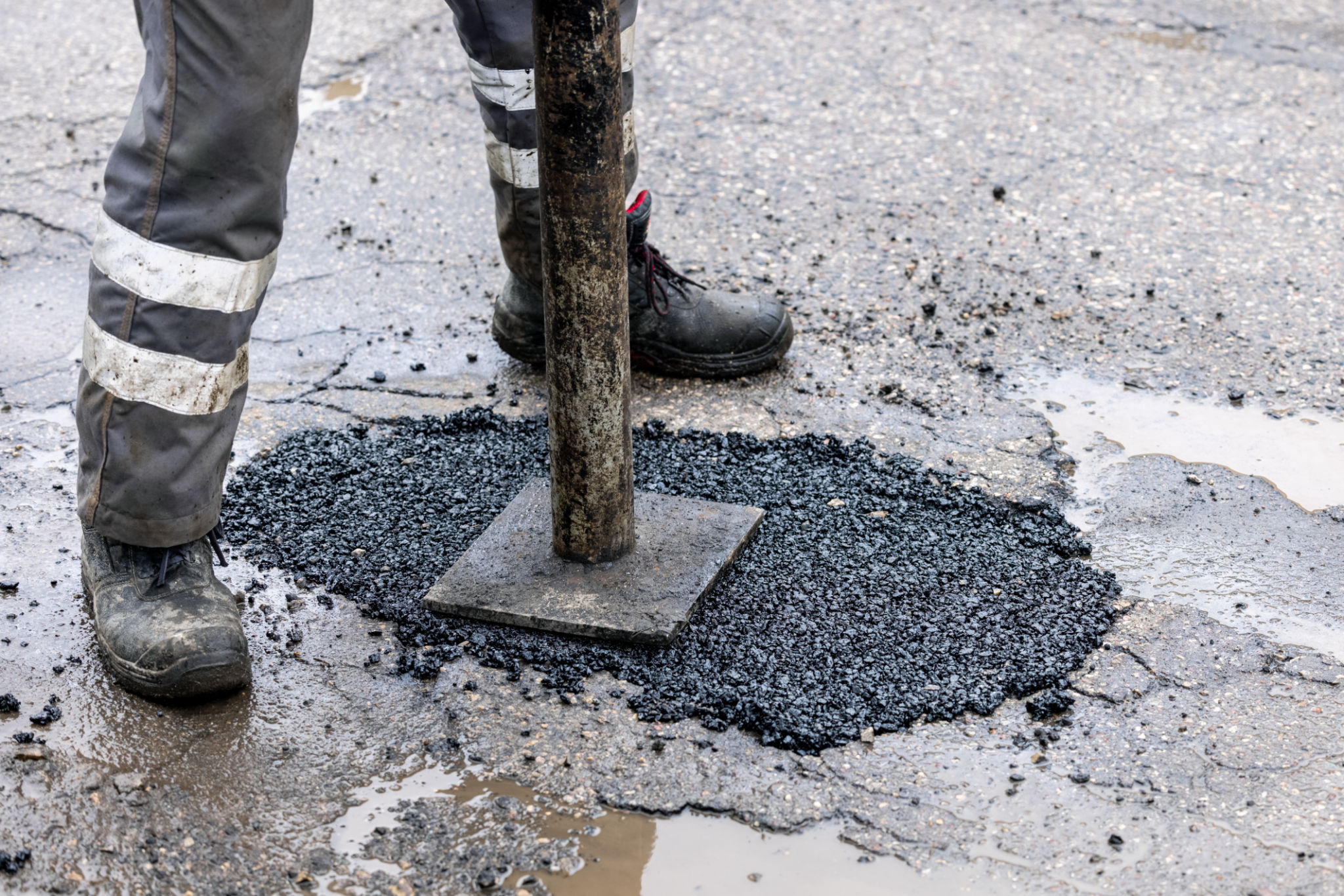
- Compact the Material: Use a tamper to compact the asphalt until it is level with the surrounding pavement.
- Seal the Edges: Ensure the edges are sealed properly to prevent water from seeping in.
These steps will help you achieve a more effective repair, reducing the risk of further damage during the winter months.
Preventative Measures for Future Pothole Prevention
While repairing existing potholes is crucial, taking steps to prevent future ones can save time and resources. Regular road inspections and maintenance are vital. Seal cracks early to prevent water infiltration, and ensure proper drainage to avoid water accumulation.
Educating local communities about reporting potholes can also help address issues promptly. Encourage residents to report potholes to local authorities or use mobile apps designed for this purpose.
When to Call Professionals
While DIY repairs can be effective for small potholes, larger or more complex issues require professional intervention. If the road damage is extensive or if the pothole continues to reappear, it’s best to consult with a professional road maintenance team.
Professionals have access to more durable materials and specialized equipment, ensuring a longer-lasting repair. Investing in professional repairs can ultimately save money by reducing the frequency of future fixes.

By following these top tips for winter pothole repair in Massachusetts, you can help maintain safer roads and reduce vehicle damage. Whether tackling repairs yourself or calling in the experts, addressing potholes promptly is a smart move for any Massachusetts resident or municipality.